Role of light in contemporary architecture
Exploring how light shapes space, mood, perception, and experience.
Author
Rodney Derick
Category
Design Philosophy
Date
Dec 12, 2025
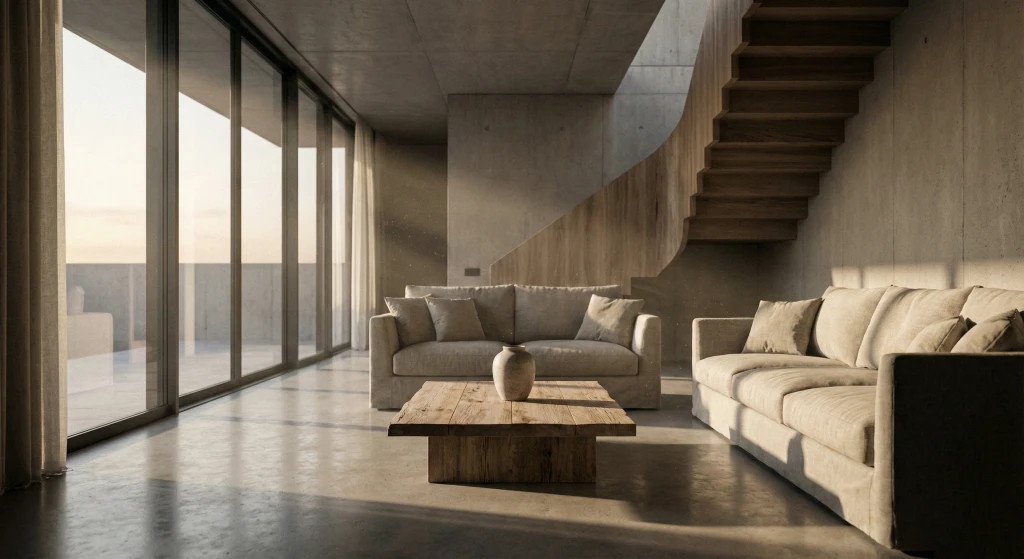
Light is the essence of architecture. It defines space, creates mood, and transforms how interiors and exteriors are experienced. A poorly considered lighting strategy can make even the most carefully designed space feel flat or disconnected, while intentional manipulation of light can elevate a simple room into an extraordinary experience.
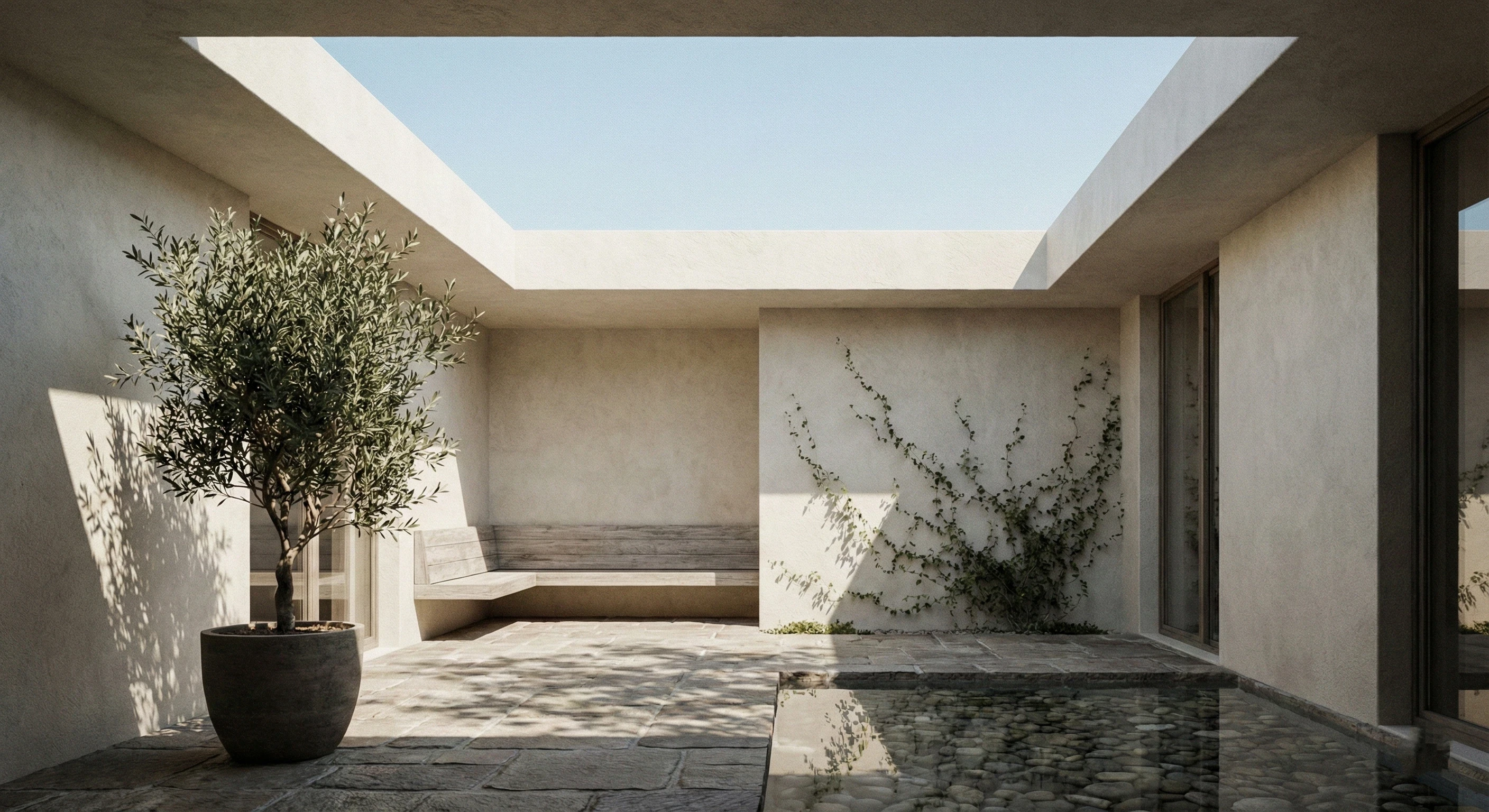
Natural light is always the starting point. By studying the sun’s path and seasonal variations, we orient rooms and openings to optimize illumination while controlling glare and heat gain. Skylights, clerestory windows, and light wells bring daylight into areas that would otherwise feel enclosed. Light interacts with materials, highlighting textures and creating depth, which enhances spatial perception.
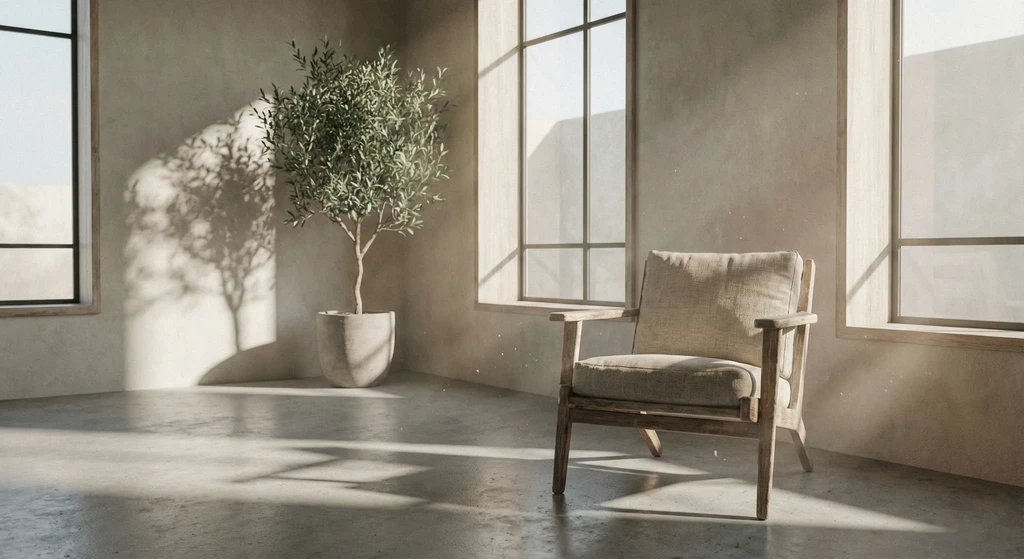
Artificial lighting complements natural sources. Layered approaches combining ambient, task, and accent lighting allow spaces to evolve over the day. Warm tones encourage comfort in living spaces, while cooler light can support focus in work areas. Strategic use of shadow, reflection, and transparency adds dimension and drama without relying on decorative elements.
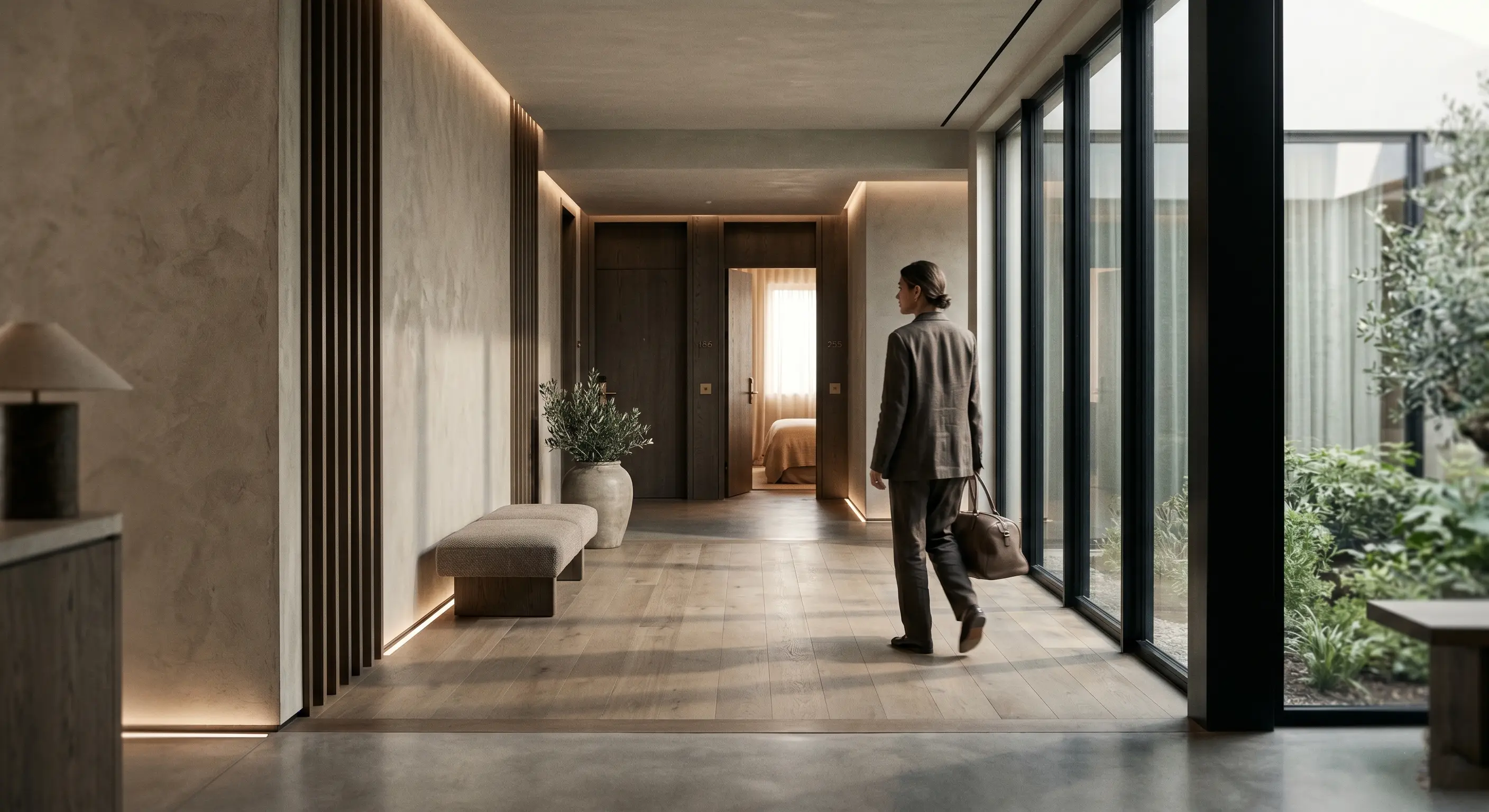
Through thoughtful light design, spaces can be tailored to mood and function. Guests entering a boutique hotel experience gradual transitions of light that guide movement and create intimacy, while residents in a home feel the rhythm of daylight subtly changing through each room. Light becomes both a functional and poetic tool, shaping architecture as much as walls, floors, or ceilings do.