Designing homes that belong to their sites
How architecture responds to land, light, context, and daily living.
Author
Errol Zackary
Category
Residential Architecture
Date
Dec 15, 2025
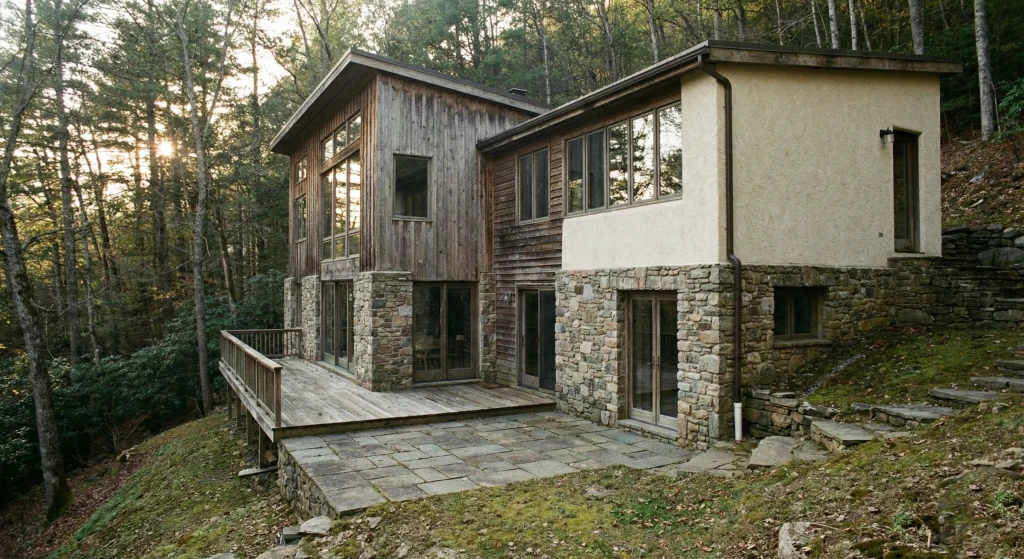
A home is not just a structure; it is an extension of its surroundings. Designing a home that truly belongs to its site requires a deep understanding of the land, climate, and context. Many residential projects fail because they impose a design onto a site without considering its natural contours or environmental conditions.
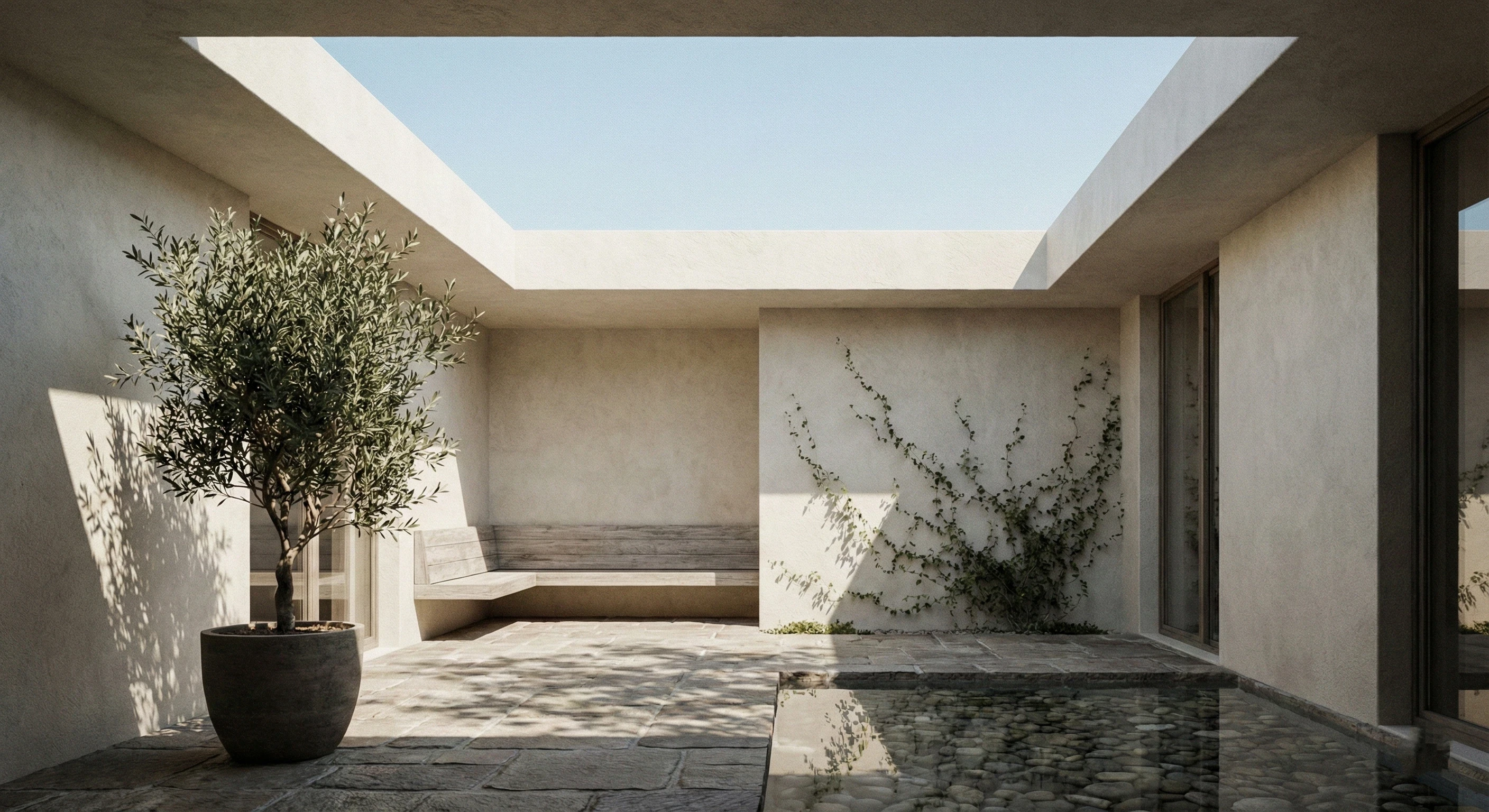
At our studio, we start by analyzing the topography, orientation, and views of the land. Sloped terrains, natural vegetation, and prevailing winds are studied to inform both the footprint and form of the building. Terracing is often used to reduce visual impact and integrate circulation into the natural slope, while internal courtyards and light wells allow sunlight and fresh air to penetrate deeply.
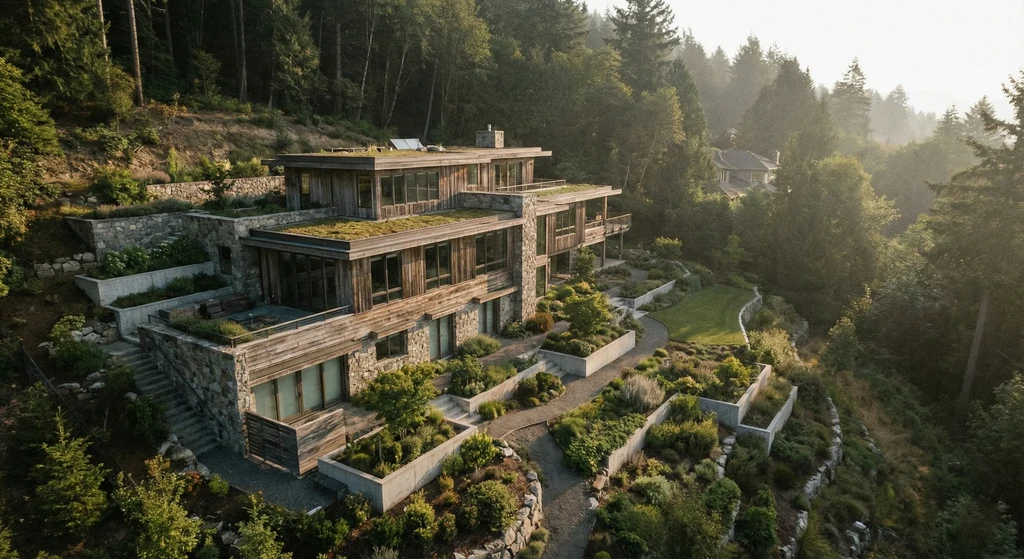
Beyond physical context, we consider the lifestyle and needs of the client. A family seeking privacy will benefit from inward-focused spaces and strategically placed terraces, while someone desiring openness will enjoy large glazed areas oriented toward panoramic views. Material choices are equally critical. Durable and tactile materials like timber, stone, and exposed concrete allow the home to age gracefully while blending with the landscape.
The result is a residence that feels grounded and natural. Spaces transition seamlessly between interior and exterior, public and private, creating a rhythm that mirrors daily life. Our clients often describe these homes as calming, restorative, and deeply connected to the land, offering an experience far richer than conventional houses.